Aeon opens a two-hub backup depot in Iwate to disaster-proof Tohoku supply
Aeon is splitting its sole Tohoku distribution hub in two, adding a disaster-ready depot in Iwate with its own emergency generator and a store-delivery route cut by more than half — a bet that redundancy, not just capacity, is what keeps supermarket shelves stocked after the next disruption.
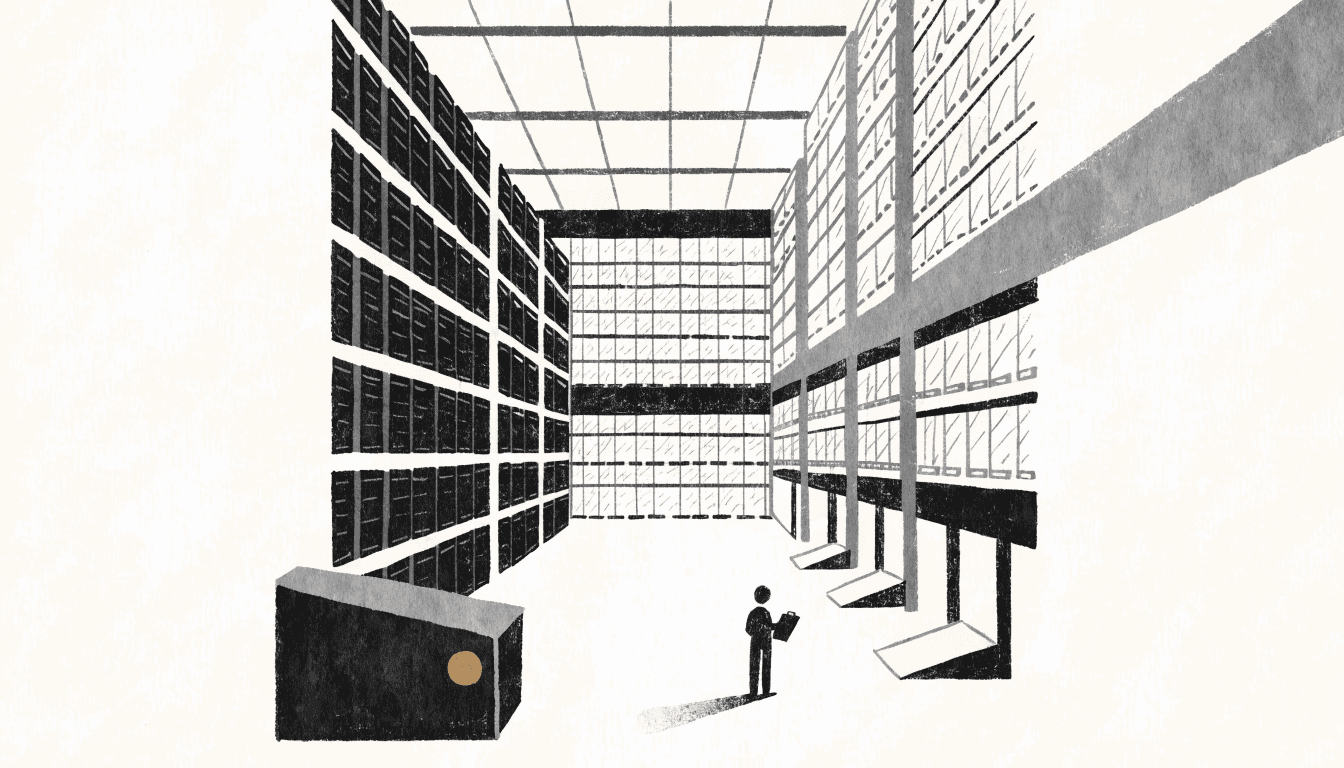
Aeon Co. will open a new food distribution centre in Kanegasaki, Iwate Prefecture, built specifically to keep merchandise flowing to stores through a disaster or equipment failure, the company said. "Aeon Iwate FDC" — an FDC, or Front Distribution Centre, handles the case-level inbound, outbound and inventory functions for stores — sits inside Prologis Park Kitakami-Kanegasaki and leases 38,823 square metres (11,744 tsubo).
Until now, "Aeon Tohoku RDC" in Taiwa, Miyagi Prefecture, was the sole hub covering the entire Tohoku region. The new Iwate site takes over part of that inventory function, giving Tohoku two hub depots instead of one — a backup structure designed so supply can continue even if one site is knocked out, according to Aeon. The low-temperature area opens on 7 October 2026, with the ambient-temperature floors due to follow on 23 February 2027.
The centre carries its own emergency generator, fed by 30,000 litres of fuel — enough, Aeon said, to keep the centre's refrigerated and ambient-temperature equipment running for 72 hours in a blackout, with the tank buried underground. It is also fitted with an automated pallet warehouse, pallet-carrying AGVs, depalletising arm robots and case-sorting sorters.
Aeon said relocating logistics functions has already cut the delivery distance from centre to stores within Iwate Prefecture by 58%, and that the accompanying logistics DX has lifted shipment productivity for inventory-held goods by 40%.
The framing as disaster preparedness is real — Tohoku's 2011 experience is the reference point for any Japanese retailer's contingency planning — but the numbers Aeon is citing are as much an efficiency story as an insurance policy. Splitting a single Tohoku hub into two shortens routes and adds resilience at the same time, which is why the case for redundancy needed no separate business justification. For Aeon's Tohoku stores, the roll-out through February is the more immediate thing to watch: nothing about shelf reliability changes until the ambient-temperature floors actually switch on.