RIZAP's chocoZAP gym chain passes 2,000 Japan locations, built into airports, highways and hotels
RIZAP's convenience-gym chain chocoZAP has passed 2,000 locations across Japan, its footprint increasingly built from airports, highway service areas and hotel lobbies rather than conventional gym real estate.
RIZAP Group's convenience-gym chain chocoZAP passed 2,000 locations across Japan on 17 July, the company said in a statement dated 27 July. The unstaffed, 24-hour format counts 1.161m members as of 14 May, according to the release, at a monthly fee of ¥3,278 including tax.
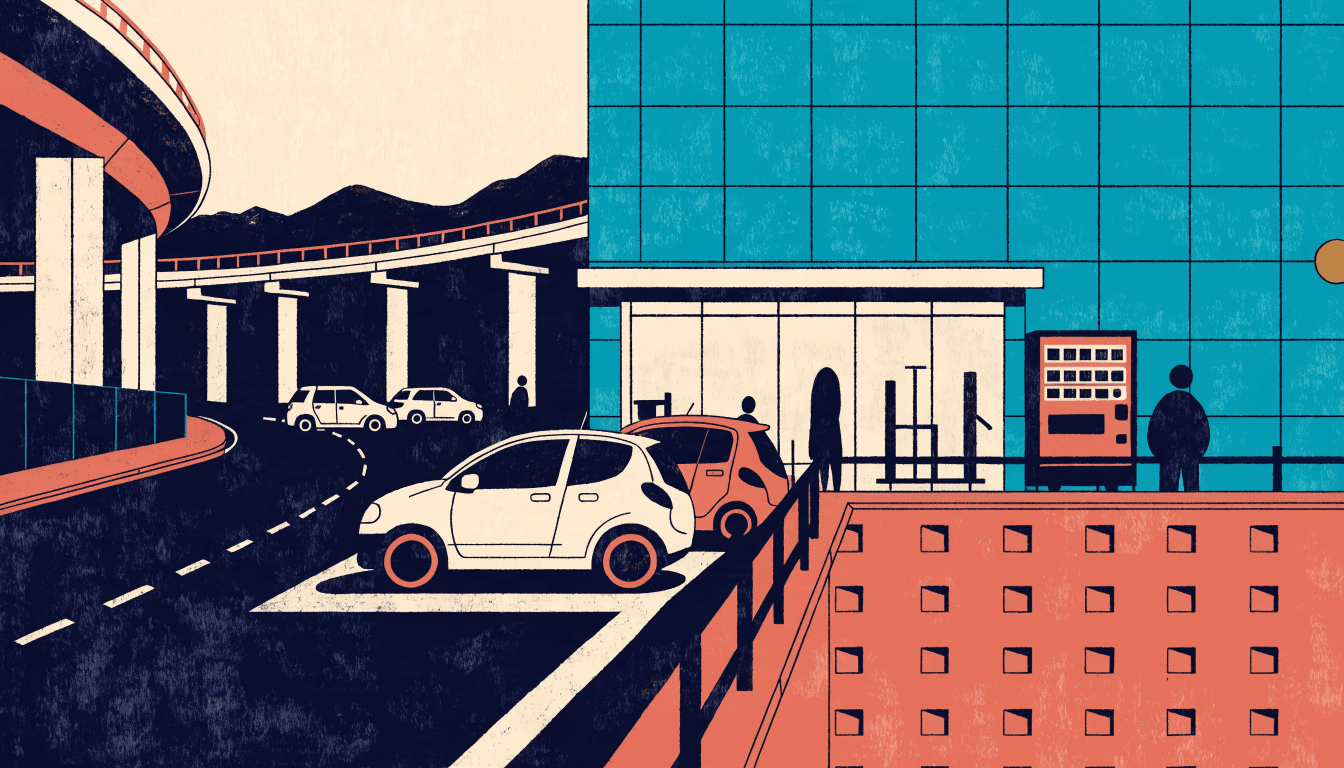
What stands out is less the count than where the gyms sit. Alongside conventional roadside and shopping-centre locations, RIZAP has slotted chocoZAP into odd corners of Japan's transport and hospitality network: a branch at Ashigara service area on the Tomei Expressway (downbound) and another at Nihondaira parking area (upbound); one inside Aso Kumamoto Airport; and one built into the Shinano-ji hotel, which gives overnight guests free access alongside a coin laundry and karaoke room. A Mie Prefecture branch, chocoZAP Kisosaki, sits amid rice paddies and farmland. The company has also placed gyms directly inside corporate campuses — Shonan iPark, Kubota's Global Research Institute, Sapporo Toyota and Sompo Japan's headquarters among them, it said.
RIZAP is targeting 8,000 domestic locations, more than triple today's count. The strategy reads as unbundling the gym from dedicated retail real estate: rather than compete for street-level frontage the way gyms and convenience stores once did, chocoZAP rides space that already draws people for another reason — a fuel stop, a flight, a hotel stay, a workday — where floorplates are irregular and the marginal cost of adding a small unstaffed gym is low.
Whether 8,000 is realistic is a real-estate question and a membership one. RIZAP's own release states the national member count and the store count, but not how utilisation holds up site by site; an unstaffed format with minimal square footage only pencils out if enough of those 2,000-plus doors keep filling.