Hankyu Umeda turns its mode floor into an archive hunt for autumn/winter
Hankyu Umeda's autumn/winter mode floor leans on maison archives instead of a single new capsule, timed to HANKYU.MODE's tenth anniversary — a bet that the floor's own history is now as marketable as this season's stock.
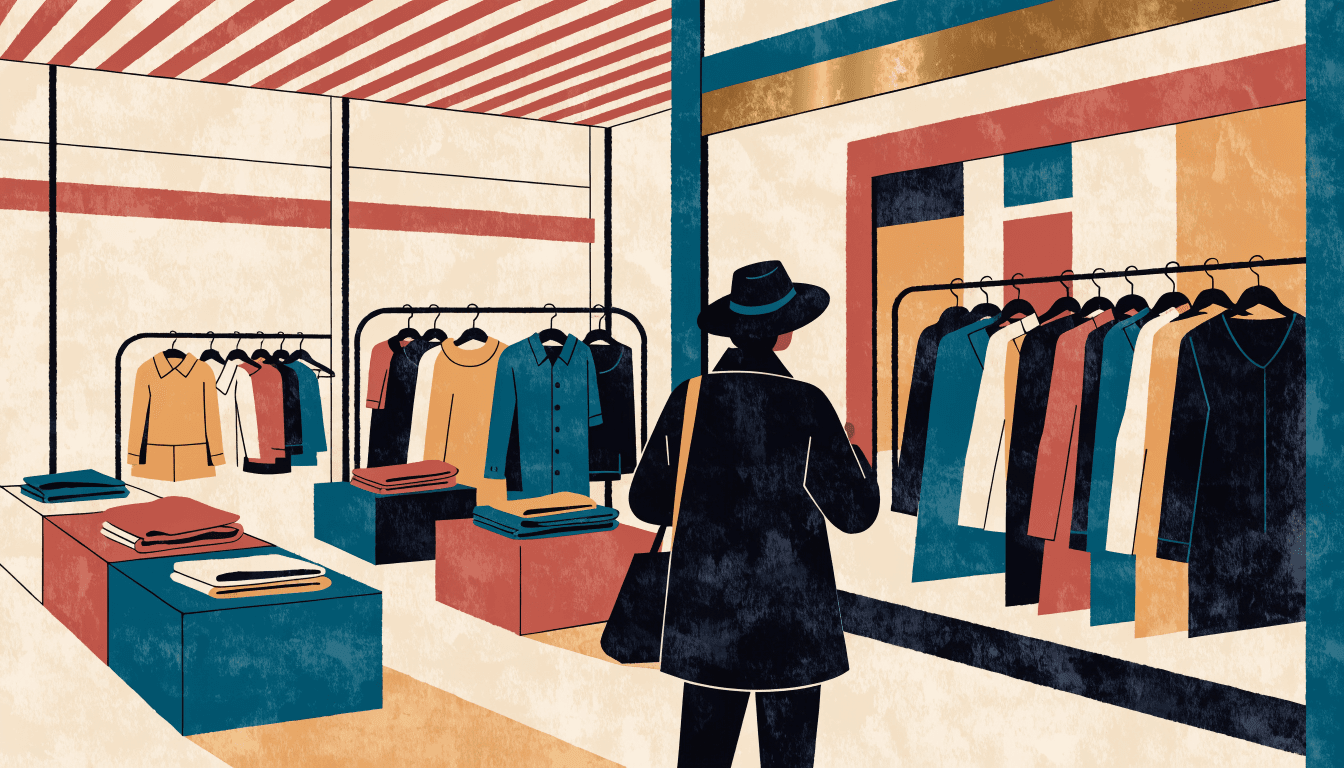
Hankyu Umeda has recast its mode floor as an "archive hunt" for autumn/winter 2026, built around pieces that carry each maison's own history rather than a single new capsule collection, according to the department store's own announcement. Running from Aug 26 to Sept 8 under the campaign banner "TIME IS BEAUTIFUL," the programme spans roughly twenty labels — Dries Van Noten, Marni, Thom Browne, Givenchy, Alaia, Maison Margiela, Jil Sander, Junya Watanabe and Undercover among them — alongside vintage dealers Ravir Levant and Mushroom Vintage, all placing archive pieces and DNA-driven new stock on the same floor. Store-quoted sample pricing runs from ¥19,800 for a Marni piece to ¥1,072,500 for a Jil Sander coat, a spread that suggests the floor is chasing casual browsers and serious collectors in the same run.
The timing is not incidental: the run coincides with the tenth anniversary of HANKYU.MODE, the store's dedicated contemporary/mode floor, which Hankyu Umeda is marking with its own social campaign, according to the store. It culminates on Sept 19 with a "My Vintage" dress-code day, when selected participants and campaign entrants can win ¥10,000 gift certificates, the store said.
Running alongside the main archive hunt, and with a longer life of its own, is Acne Studios' "Stockholm 1996" pop-up, live from Aug 1 to Sept 30, which marks 30 years of the brand's denim heritage with archive pieces shown next to its autumn/winter 2026 runway collection, per the store.
Department stores leaning on archive and heritage framing is a response to a real squeeze: tenant-format fashion floors in shopping centres can turn over brands and capsules faster than a department-store floor ever will, so the differentiator has to be something a mall can't easily copy. Selling a maison's own history, rather than its newest drop, is a presentation and product bet more than a pricing one — and it plays to a genuine domestic appetite for vintage and archive pieces that has been building in Japan's fashion resale market for years. That Hankyu Umeda is building this around a floor-format anniversary, rather than a single season's product, is the more telling detail: it suggests the mode floor's curatorial model has proven durable enough to become the thing being marketed, not just the venue for it.