HERALBONY unveils a new brand symbol and widens its apparel line across a four-city pop-up run
HERALBONY, the Japanese company that licenses artwork by artists with disabilities onto fashion and lifestyle goods, has introduced a new brand symbol and a wider apparel range, taking both from its Tokyo flagship into department-store pop-ups in Fukuoka, Nagoya, Osaka and Tokyo.
HERALBONY, the Japanese creative company built around royalty-paying licences for artists with disabilities, has introduced a new brand symbol, '♡♡♡' (Triple Heart), and expanded its apparel line, the company said in a release. The symbol is built on a concept HERALBONY calls 'Heartdemic' — a heartbeat and a kindness the company says it wants to spread from person to person.
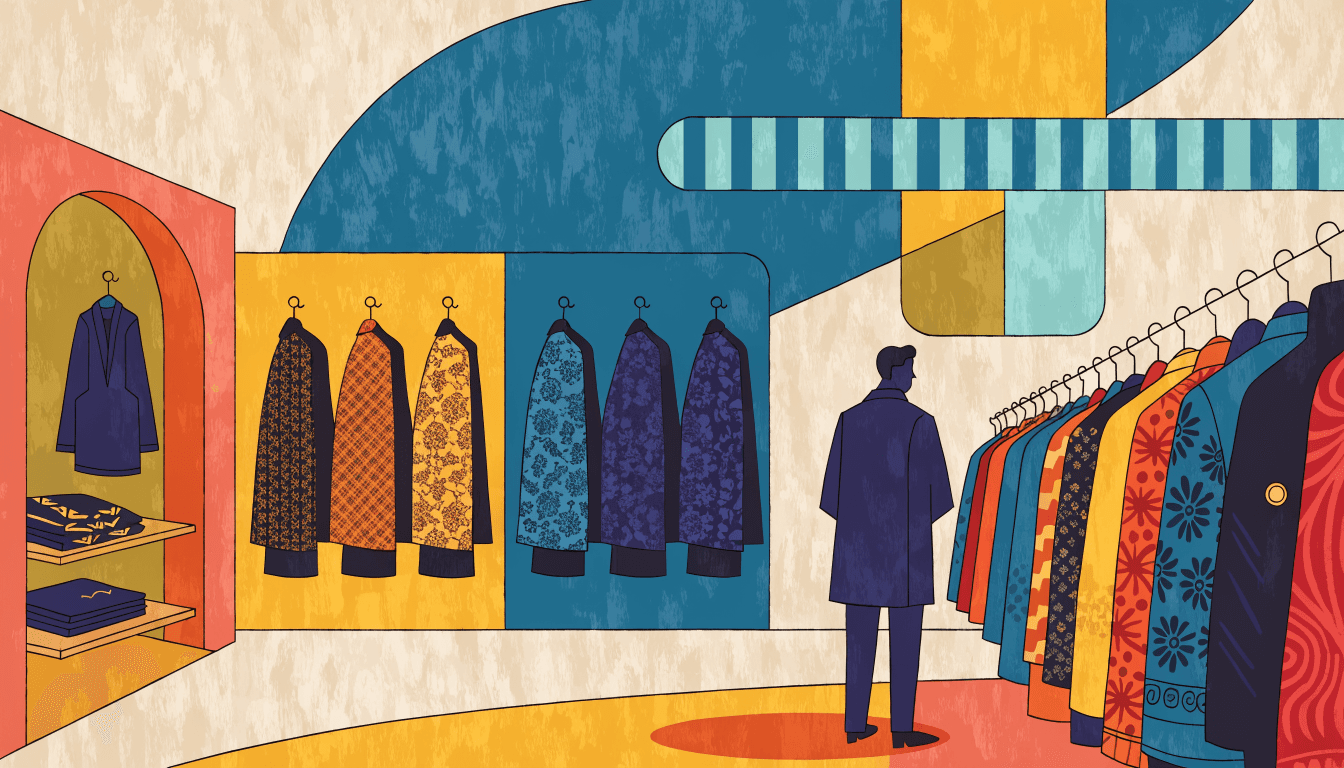
The new range spans two tiers: casual pieces — T-shirts, caps, sweatshirts and socks carrying the Triple Heart symbol — priced from ¥3,960 to ¥8,800, and premium pieces built from artists' works, including jacquard jackets, knitwear and embroidered trousers, priced from ¥20,900 up to ¥93,500 for a jacquard engineer jacket, according to the company.
The line launches September 19 at HERALBONY's two flagships — HERALBONY ISAI PARK in Morioka, Iwate, and HERALBONY LABORATORY GINZA in Tokyo — followed by the online store, before moving into a run of department-store pop-ups: Hakata Hankyu from September 30, JR Nagoya Takashimaya from October 14, Hankyu Umeda from October 31 and Shibuya Parco from November 3, the company said.
HERALBONY has built its business on treating disability-inclusive design as a fashion proposition rather than a charitable one, managing more than 2,000 licensed artworks and running a Paris subsidiary since 2024. A four-store pop-up run inside mainstream department stores — rather than a standalone gallery or concept shop — is the clearest sign yet that the group sees its ceiling as the regular apparel floor, not a niche corner of it.