Mitsui Fudosan starts building phase two of LaLaport TOKYO-BAY's North Building, targeting 600 stores by 2028
Mitsui Fudosan has started construction on the second phase of rebuilding the North Building at its flagship LaLaport TOKYO-BAY mall in Funabashi, adding roughly 200 shops and an indoor stadium court by summer 2028 -- the latest sign that Japan's biggest mall operator is leaning on sport and leisure, not just retail, to keep its oldest properties pulling in crowds.
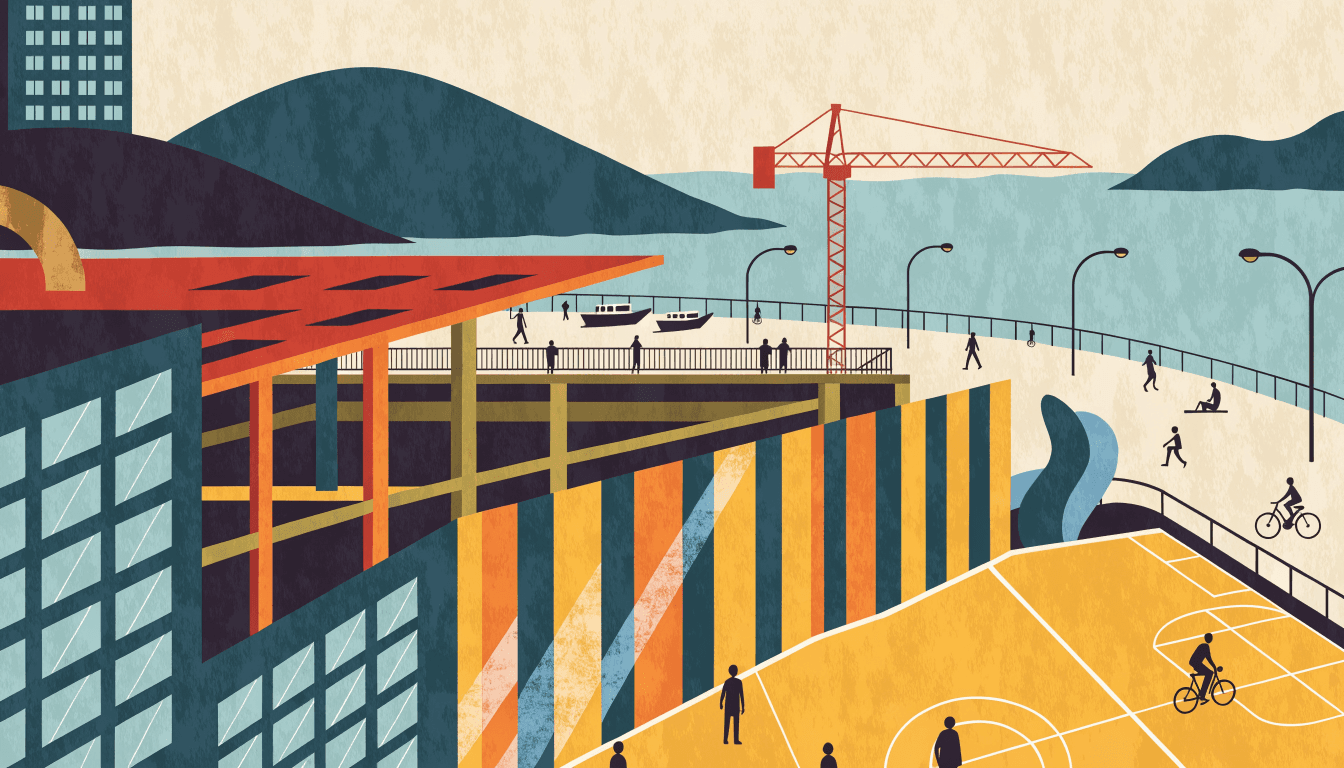
Mitsui Fudosan Co., Ltd. said on November 4 that it has started construction on the second phase of its plan to rebuild the North Building at Mitsui Shopping Park LaLaport TOKYO-BAY, in Funabashi, Chiba Prefecture, with completion and opening planned for summer 2028.
The complex opened in April 1981 as Japan's first LaLaport, then named Lalaport Funabashi Shopping Center (ららぽーと船橋ショッピングセンター), according to the developer. Part of the North Building was temporarily closed in January 2023 to make way for the rebuild. Phase I reopened on October 31, 2025, renamed North Gate (ノースゲート), with 96 stores; Phase II is due to roughly raise that section's store count, from about 150 before the rebuild to about 200, lifting the entire LaLaport TOKYO-BAY complex to around 600 stores once it fully reopens.
Combined, the floor area of the two phases will grow from about 97,000 square metres to about 103,200 square metres, with retail floor space expanding from about 45,000 square metres to about 60,200 square metres, Mitsui Fudosan said. Across the whole complex, including the separate LaLaport Mitsui Building, total floor area will reach about 431,700 square metres, with about 166,400 square metres of retail space, housed in a three-storey steel structure with parking for roughly 7,200 vehicles.
The developer said Phase II's centrepiece is an indoor stadium court for sports and entertainment events, replacing the North Building's former central plaza with a space it describes as roughly three times larger -- a format it has already installed at LaLaport Sakai (ららぽーと堺), in Osaka, which opened in November 2022, and LaLaport Anjo (ららぽーと安城), in Aichi Prefecture, which opened in April 2025. Phase II will also widen Harbor Street (ハーバー通り), a roughly 350-metre promenade, to twice its original width across both phases, adding an artificial-turf lawn plaza, a play area and a stepped gathering space it calls Kaidan Plaza (かいだん広場) in the South Building. Mitsui Fudosan is calling the design concept "industrial wharf" (インダストリアルワーフ), a reference to the area's history as an industrial waterfront, and says it extends a renovation philosophy it calls "ageing well" (経年優化) that it has applied across its properties for more than 40 years.
The rebuild is designed to work alongside two newer additions nearby: LaLa terrace TOKYO-BAY (ららテラスTOKYO-BAY), a retail building directly connected to JR Minami-Funabashi Station that opened in November 2023, and LaLa arena TOKYO-BAY, a roughly 10,000-capacity multipurpose arena completed in April 2024 that held its opening event that July. Mitsui Fudosan said it is planning events and content that span the whole district, combining shopping with sport and entertainment. The developer did not disclose a project cost. Basic design is by Tokyu Design Consultants, with Taisei Corporation handling detailed design and supervision for both phases; Phase II construction is being carried out by a joint venture of Taisei, Taisei Eurec and Abe Construction. Mitsui Fudosan Commercial Management will operate the completed complex, which is also seeking BELS certification for a 30%-plus cut in design energy use and has already received the top, five-star rating under the DBJ Green Building scheme.
The project reads as a bet that an ageing 1980s mall, built when a supermarket anchor and a car park were enough to pull shoppers from across the Tokyo Bay area, needs more than a merchandise refresh to stay relevant. Pairing an indoor stadium court with a 10,000-seat arena next door treats the complex less as a shopping centre than a leisure district people visit for an event and then shop around -- a format Mitsui Fudosan is now repeating at Sakai and Anjo rather than testing once. With Phase II not due to finish until summer 2028 and no cost disclosed, the clearer number to watch is the store count once it reopens: whether Funabashi's roughly 600 shops can hold up a format built as much around sport and leisure as around retail.