Shangri-La brings its ultra-luxury Signatures line to Kyoto, opposite Nijo Castle
Shangri-La Group's second Shangri-La Signatures address, a 77-key hotel on the former Kyoto Shoshidai residence site, opens in phases from late 2026 — a bet that Kyoto's tight ultra-luxury hotel supply still has room for one more.
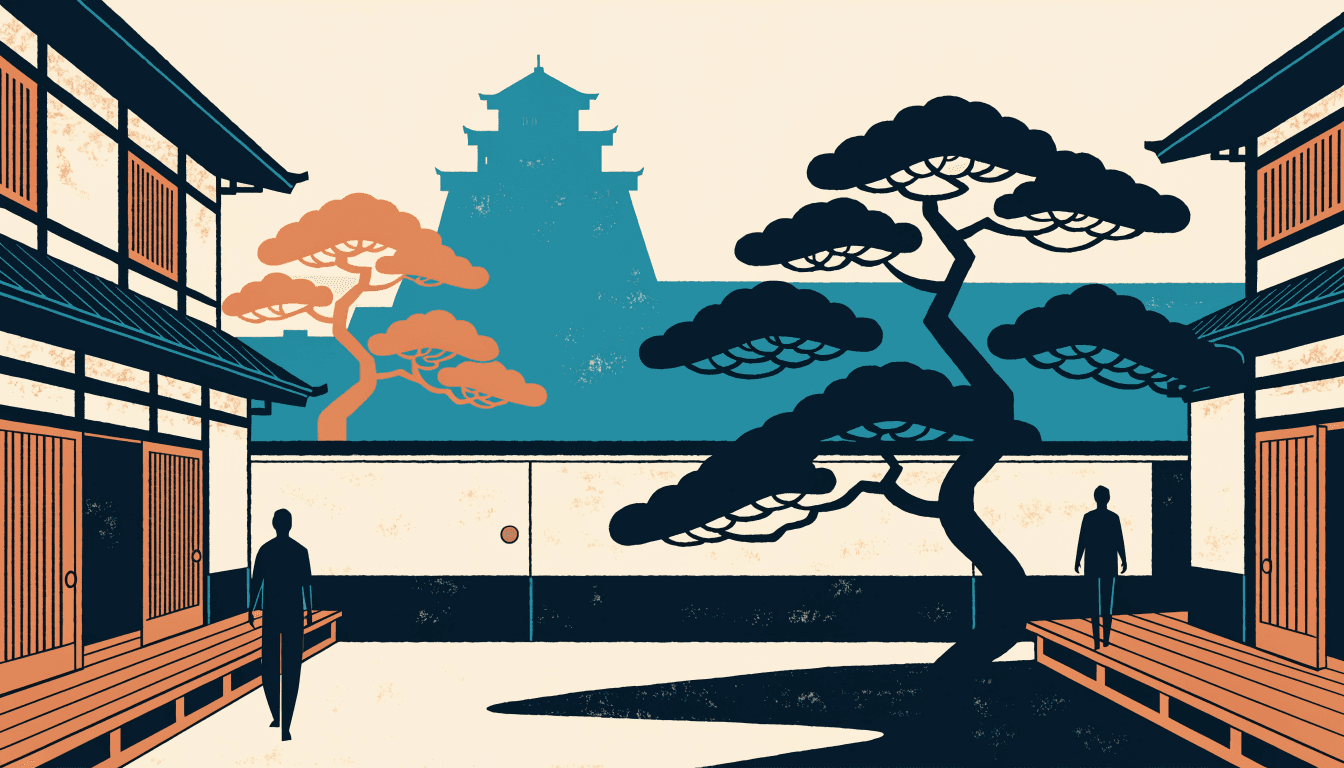
Shangri-La Group is opening a 77-key hotel called Songtei Kyoto on a site opposite Nijo Castle, the UNESCO World Heritage-listed castle in central Kyoto, according to a company statement distributed on 10 September. The property sits on the former residence of the Kyoto Shoshidai, the Edo-period office that oversaw the imperial court and western Japan on the shogunate's behalf.
First guests are due from late 2026, with the group phasing in facilities through to a full opening in early 2027, the company said.
Songtei Kyoto is the second address in Shangri-La Signatures, a boutique sub-brand the group launched with The Silk Lakehouse in Hangzhou, which opened in May 2025. Where the mainline Shangri-La brand runs large-format city hotels, Signatures is built around small, single-site properties the company describes as story-rich places with unique encounters — and Kyoto, not Tokyo, is where the collection has chosen to make its second address.
The design draws on what the company calls the quiet grandeur and ceremonial elegance of Kyoto's prestigious Edo-period residences, reinterpreted through a contemporary lens, with rooms and public spaces framed around curated views of Nijo Castle's grounds. Facilities include a spa with indoor and outdoor hot baths, an indoor pool, a gymnasium, an all-day dining lounge, a Chinese restaurant, a kappo-sushi counter and an evening bar.
The move adds a well-capitalised foreign operator to a Kyoto ultra-luxury hotel scene that has filled in fast: Four Seasons, Aman and Park Hyatt all opened city properties there between 2016 and 2019, evidence the city's supply of true small-format luxury keeps tightening even as more of it arrives. At 77 keys, Songtei Kyoto is built for scarcity rather than volume — a heritage site, a compact room count, and a food programme split between Chinese fine dining and a Japanese sushi counter are all bets on presentation and provenance carrying a room rate a bigger hotel could not ask for. Whether Shangri-La can build the same hard-to-book cachet in Kyoto that Aman and its peers already hold is the open question a late-2026 opening won't answer on its own.