Cainz Bets on Urban Micro-Format to Capture the Home-Repair Consultation Gap
A new Ichikawa opening marks Cainz's third Chiba prefecture reformulation outpost, part of a declared push to reach 50 urban small-format renovation shops by fiscal 2027.
The opening that matters here is not the shop itself — a modest 19.13-tsubo unit on the fourth floor of a station-front Daiei — but what it signals about Cainz's structural ambition. The company has publicly committed to reaching 20 urban small-format renovation outlets within fiscal 2026 and 50 by fiscal 2027, according to the company. That cadence implies a significant acceleration from the eight-store base referenced in a related July 2026 release, and it reframes Cainz's renovation business from a peripheral home-centre service into a standalone urban network with its own rollout logic.
Why Station-Front Commercial Property
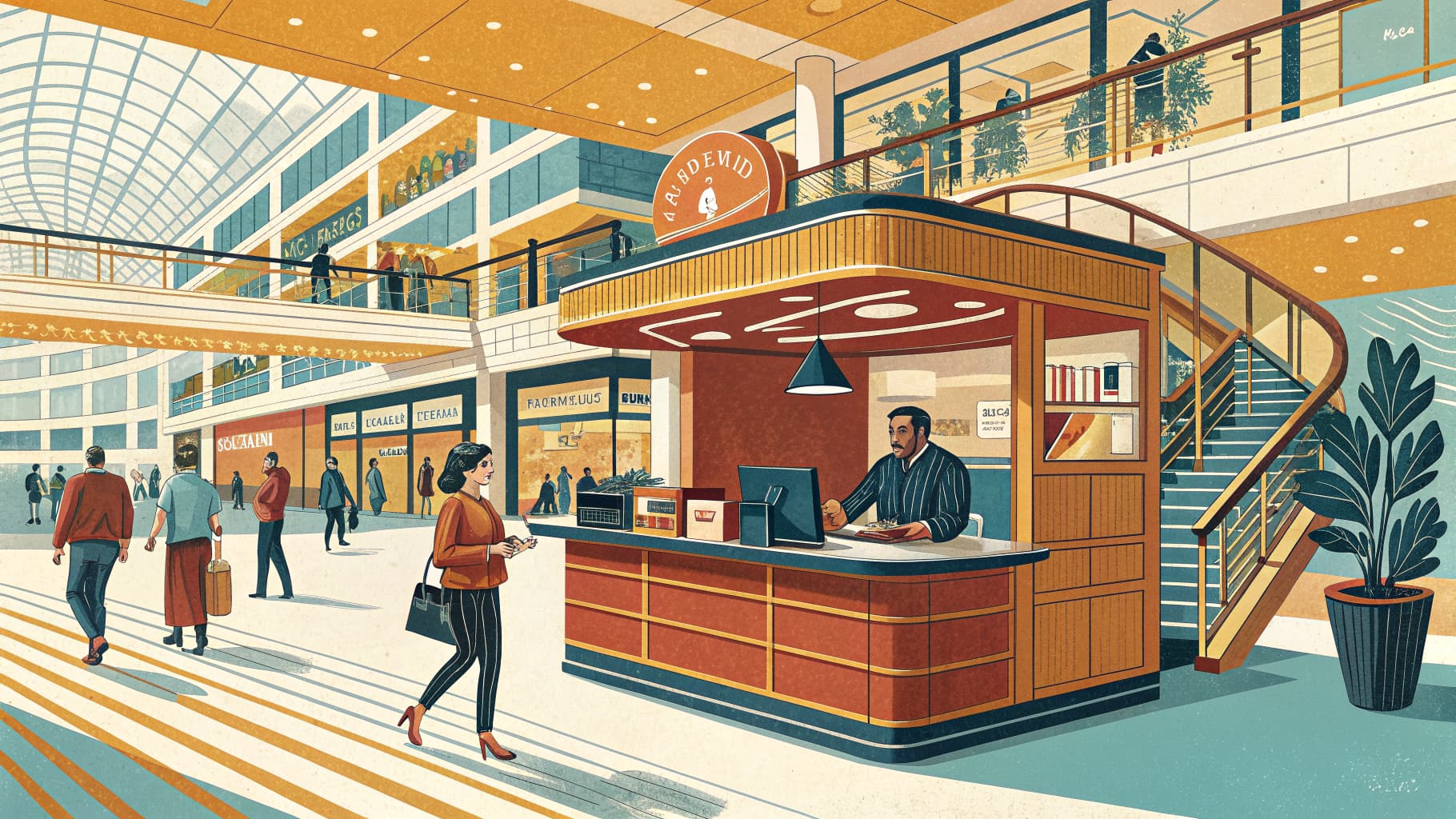
Cainz's site selection logic is worth parsing. Large home-improvement centres rarely sit within the commuter catchments of Tokyo's eastern suburbs or western Chiba, creating a structural gap between latent demand and accessible supply. By placing consultation desks inside existing superstore facilities — locations already woven into residents' daily movement patterns — the company aims to lower the threshold for enquiry rather than relying on deliberate destination visits. The Ichikawa location follows earlier Chiba openings at Sogo Chiba and Plare Matsudo, sketching a coverage arc from central Chiba westward toward the Tokyo boundary.
Redefining the Offer: Consultation Before Construction
Cainz frames its renovation offer not as the sale of construction contracts but as resolution of everyday domestic inconveniences — a positioning distinction that has real implications for how the format is staffed and communicated. The company states that enquiries range from equipment replacement (toilets, water heaters) to minor repairs such as leaking pipes, screen-door re-meshing, and sash faults, through to garden maintenance and exterior works. Walk-in consultations are accepted without appointment. That breadth, and the no-reservation policy, suggests the format is designed to capture the large, currently unmonetised population of urban residents who do not yet know they have a renovation need worth acting upon.
What to Watch
The credibility of the 50-store target by fiscal 2027 will hinge on two things: the availability of suitable station-adjacent commercial floor space at workable rents, and Cainz's ability to staff consultation desks with advisers who can span DIY guidance, product referral, and contractor dispatch. Property professionals in Tokyo's eastern corridors and throughout Chiba should expect inbound interest from the brand for relatively compact upper-floor units — the Ichikawa store's sub-20-tsubo footprint suggests the format can function in spaces that would be considered marginal by most large-format tenants. Whether the consultation-led model converts browsers into contracted work at the volume needed to justify the rollout pace remains the central commercial question.