Hoshinoya Nara adds a guided tour tracing its prison-to-hotel transformation
From 16 September, Hoshino Resorts is giving Hoshinoya Nara's guests a free, 45-minute walk through the Meiji-era prison the hotel was built inside — turning a protected heritage building's most awkward history into the property's own guided narrative.
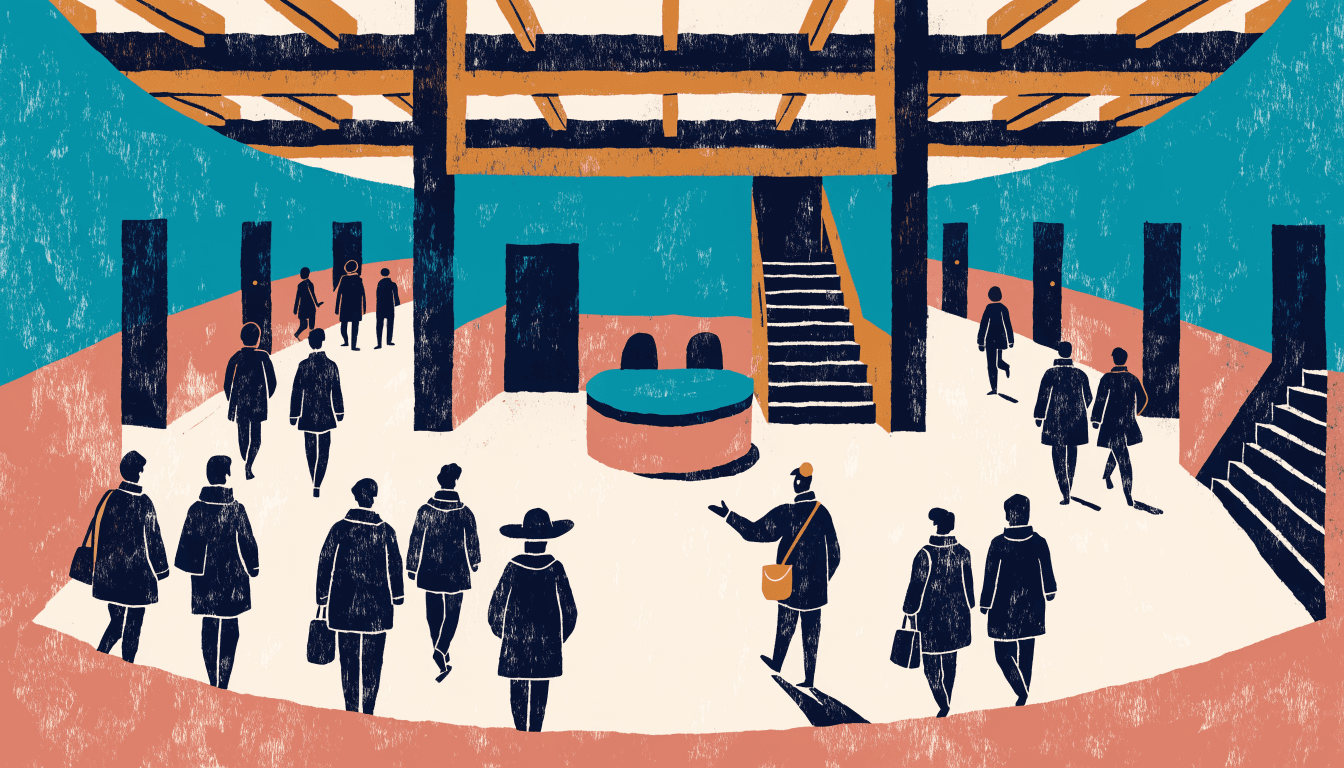
Hoshino Resorts will begin offering a new guided tour to guests at Hoshinoya Nara from 16 September, tracing the hotel's transformation from a Meiji-era prison into a luxury property, the operator said. The tour, called Toki no Promenade ("Promenade of Time"), runs about 45 minutes, is capped at ten guests per session, is free of charge, and departs daily at 8am; guests book through the hotel's own website by 9pm the previous evening, according to Hoshino Resorts.
The hotel occupies the former Nara Prison, built in 1908 as one of Japan's so-called five great Meiji prisons and designed on the Haviland system, a radial layout that let a small number of guards observe every wing from a central point. The facility operated as a reformatory until its closure in 2017, when it was also designated a National Important Cultural Property, and Hoshino Resorts converted it into Hoshinoya Nara while retaining much of the original structure.
The tour takes in the hotel's Central Guard Station, where the Haviland layout is still visible; the Main Lounge, converted from the prison's former lecture hall and keeping its original nine-metre timber truss ceiling; a Dining Lounge adapted from a warehouse, with new windows cut into its walls; and guest rooms built inside former solitary confinement cells, Hoshino Resorts said.
Rather than soften the building's past, Hoshino Resorts is making it the tour's subject, explicitly framing the friction between preserving a nationally protected structure and running it as a five-star hotel. Keeping the tour free, small and guests-only turns that history into a reason to book directly, rather than a public draw that could bring non-paying visitors through a protected cultural property — a template other Japanese luxury operators converting heritage buildings are likely to watch.