Hoshino Resorts turns a Meiji-era prison into a 48-suite luxury hotel
Hoshino Resorts opened HOSHINOYA Nara Prison on 25 June 2026 inside the 1908 former Nara Prison, a nationally designated Important Cultural Property — turning 48 former cell blocks into all-suite rooms and betting that tourism revenue, not preservation grants, can keep a protected heritage building standing.
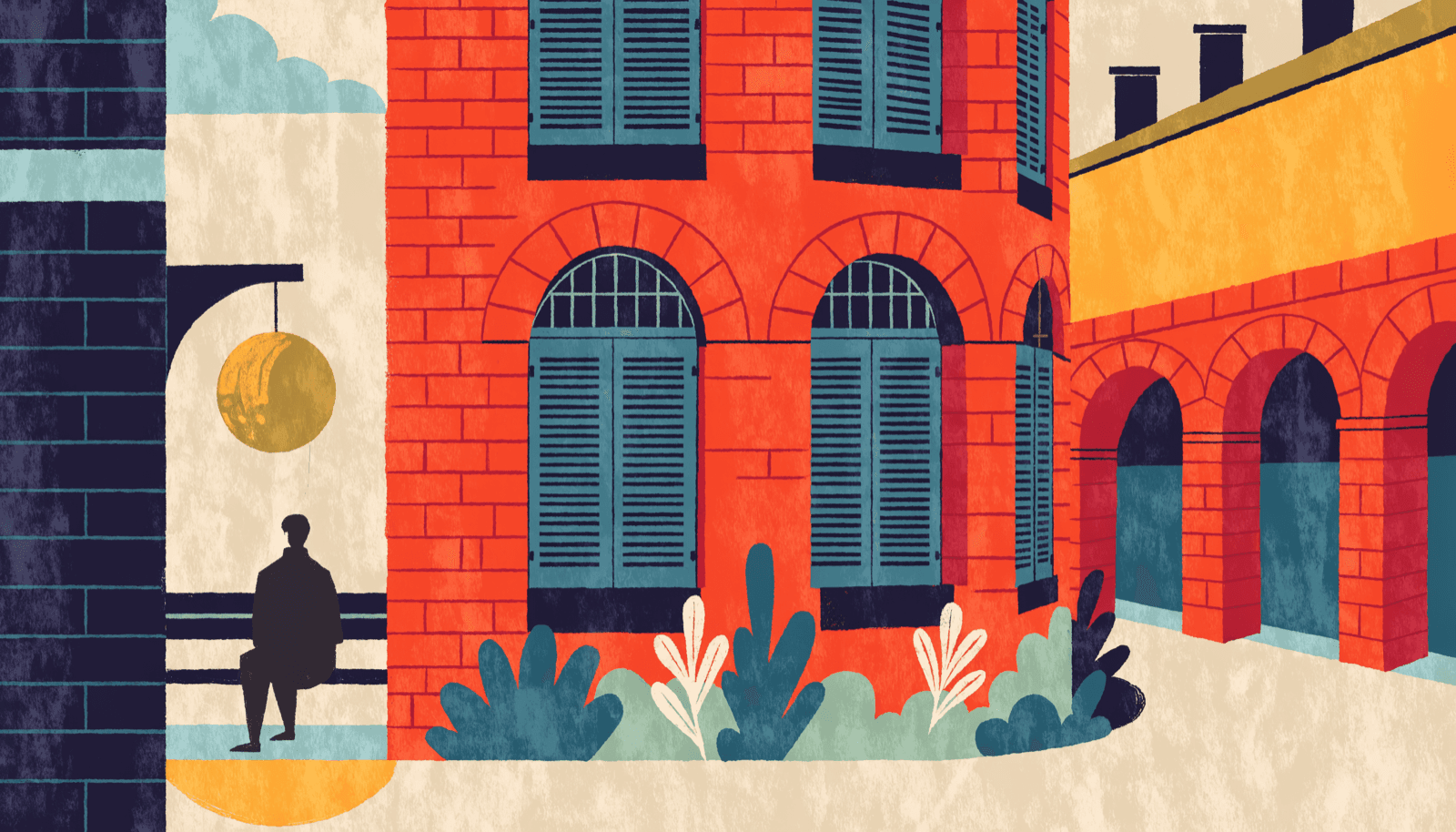
Hoshino Resorts opened HOSHINOYA Nara Prison on 25 June 2026, according to the company's own newsroom, inside the former Nara Prison — a red-brick building completed in 1908 and designated a National Important Cultural Property in 2017. The prison was designed by architect Keijiro Yamashita on a radial layout known as the Haviland system, with cell wings extending from a central guard station; Hoshino says it was one of five prisons Yamashita designed in the Meiji era, and the only one of the five still fully intact. After its use as an adult prison ended, the building operated as Nara Juvenile Prison from 1946 for more than 70 years before this conversion.
The hotel holds 48 all-suite rooms, created by joining former cell blocks together, Hoshino said, with the largest category named The 11-Cell Deluxe. The renovation exposed original brickwork that had been hidden under plaster and retained the building's historic ceiling mouldings, while adding steel pillars, wood panelling and new lighting; the courtyard now has white geometric walkways. A restaurant occupies a separate building that once held solitary-confinement cells and meeting rooms, alongside a Main Lounge serving seasonal drinks, sweets and books, and a Dining Lounge for aperitifs and bar service; some dining spaces seat up to six guests.
Hoshino credited four outside specialists for the renovation: Rie Azuma of the Azuma Environmental Architectural Research Institute, who the company said saw the site's existing sense of the extraordinary as a starting point; Hiroki Hasegawa of On-Site Planning, who worked on the landscape; Masanori Takeishi of the ICE Urban Lighting Institute, credited with using indirect lighting to add depth to the spaces; and Yoshihiko Sano of Yasui Architects & Engineers, who Hoshino said led the project with preserving the building's cultural and historical value as the top priority.
Rooms start from ¥147,000 a night, tax and service included but meals extra, according to Hoshino; breakfast runs from ¥4,800 for a Japanese or Western set to ¥6,380 for a Meiji-style version, with lighter items available à la carte.
Hoshino frames the project under the phrase "From Historic Walls to Timeless Elegance," describing it as weaving the Western-influenced culture of early-modern Japan into the guest experience, and positions it as introducing what the company calls a cycle of heritage — tourism revenue helping fund the property's own upkeep, rather than the building relying on preservation grants or simply standing empty as a museum piece.
This is a different kind of adaptive reuse from the redevelopment plays floortok has tracked elsewhere — Hyatt's car-park conversion in London, or Rosewood's coming Roppongi tower — because a national Important Cultural Property carries restrictions a private building doesn't: what can be added, removed or altered is constrained by the building's protected status, not just its structure. Hoshino's bet is that the constraint is the product: charging a premium for suites built from former cells, in a building that, even before renovation, Hoshino says already carried a sense of the extraordinary, only works if guests are paying for the history, not despite it. Whether a room rate starting above ¥147,000 a night proves durable, or fades once the novelty of sleeping in a former prison wears off, is the question a single opening cannot answer.