JR Nagoya Takashimaya rebuilds its basement food hall around Fauchon, Peck and Dallmayr
JR Nagoya Takashimaya is rebuilding its basement Gourmet Street food hall around four European delicatessen and tea houses, the third phase of a floor-by-floor overhaul at its Nagoya Station flagship.
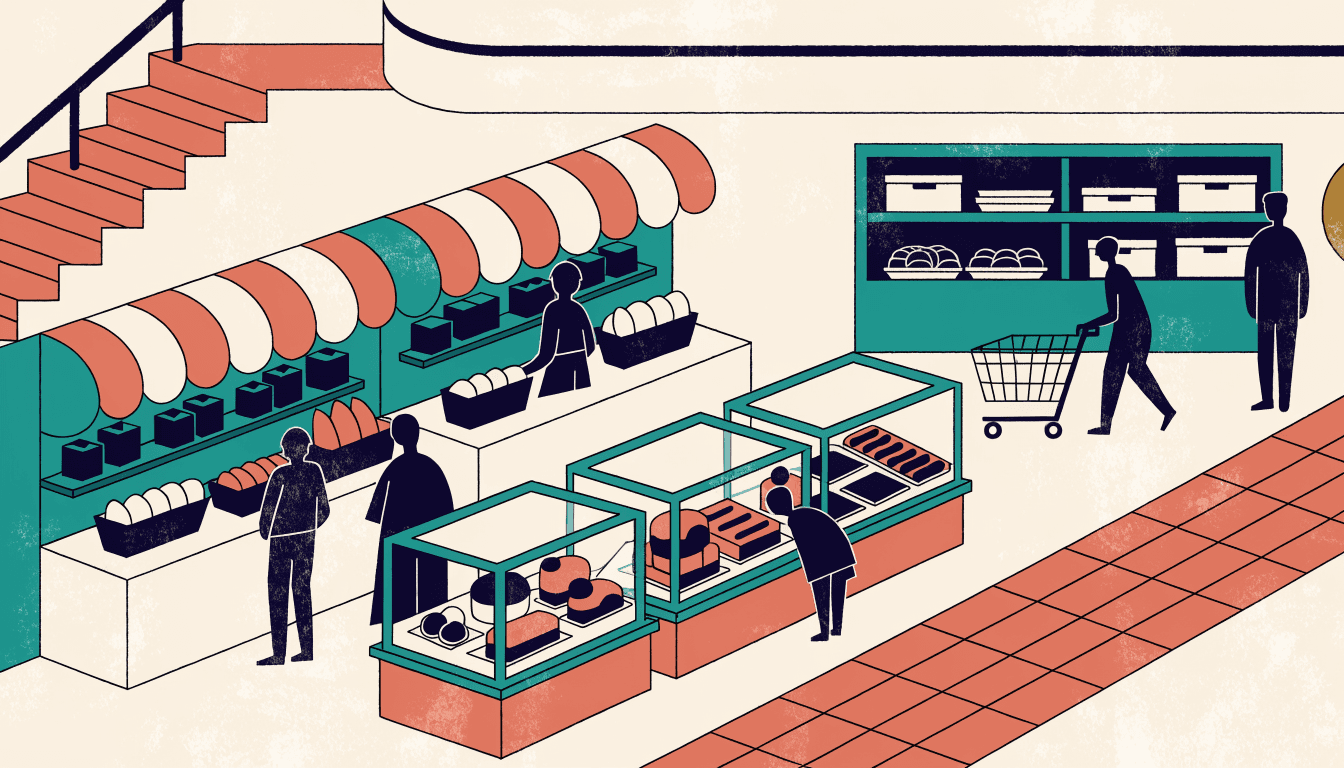
JR Nagoya Takashimaya is rebuilding the basement food hall at the heart of its Nagoya Station flagship, according to a statement from the department store. Four European delicatessen and tea houses — Fauchon, Peck, Dallmayr and Harney & Sons — will open on the B2 "Gourmet Street" floor on 29 July, the company said, alongside two domestic specialists, as the store completes the third phase of a floor-by-floor overhaul of its food department.
The renovation has moved category by category since it began, the department store said: a first phase reworked the wine and spirits corner, a second remade the Western confectionery section, and this third stage turns to Gourmet Street itself. Two more shops — Tatarakudatsuya, a dried-fruit specialist, and Cheese Kingdom — already opened earlier in the same project, in April, bringing the floor's refreshed tenant count to eight.
Of the six new arrivals, four are imported gourmet houses with long histories in their home markets: Fauchon (Paris, founded 1886) and Peck (Milan, 1883) sell delicatessen items built around cured meats, prepared foods and confectionery, Dallmayr brings its Munich-rooted deli including premium ham, and Harney & Sons adds a New York-origin tea line. They will sit alongside Mikiya Coffee, a Kyoto roaster trading since the postwar years, and Oaks Heart, a specialist in vinegar-based drinks — pairing globally recognised European names with domestic artisan staples on the same floor.
The store frames the point plainly: it says it wants the wine selections already installed in phase one to pair with the food now arriving in phase three, an approach it describes as making the everyday table feel a little more indulgent. That is the basement food hall's enduring logic at a station terminal like Nagoya's — a depachika (a department store's basement food floor) lives or dies on footfall and basket size rather than big-ticket sales, so a handful of prestige import names next to familiar domestic ones is a lower-risk way to lift the average purchase than a full luxury rebuild. Whether it works will show up in whether wine sales — the first phase's bet — actually rise alongside it.