Haneda's Terminal 1 gets its first expansion in 33 years as the North Satellite opens
Haneda's Terminal 1 gets its first expansion in 33 years on September 1, adding 21,000 square metres and six gates — and, for now, one paid card lounge as the only named piece of the new retail and dining mix.
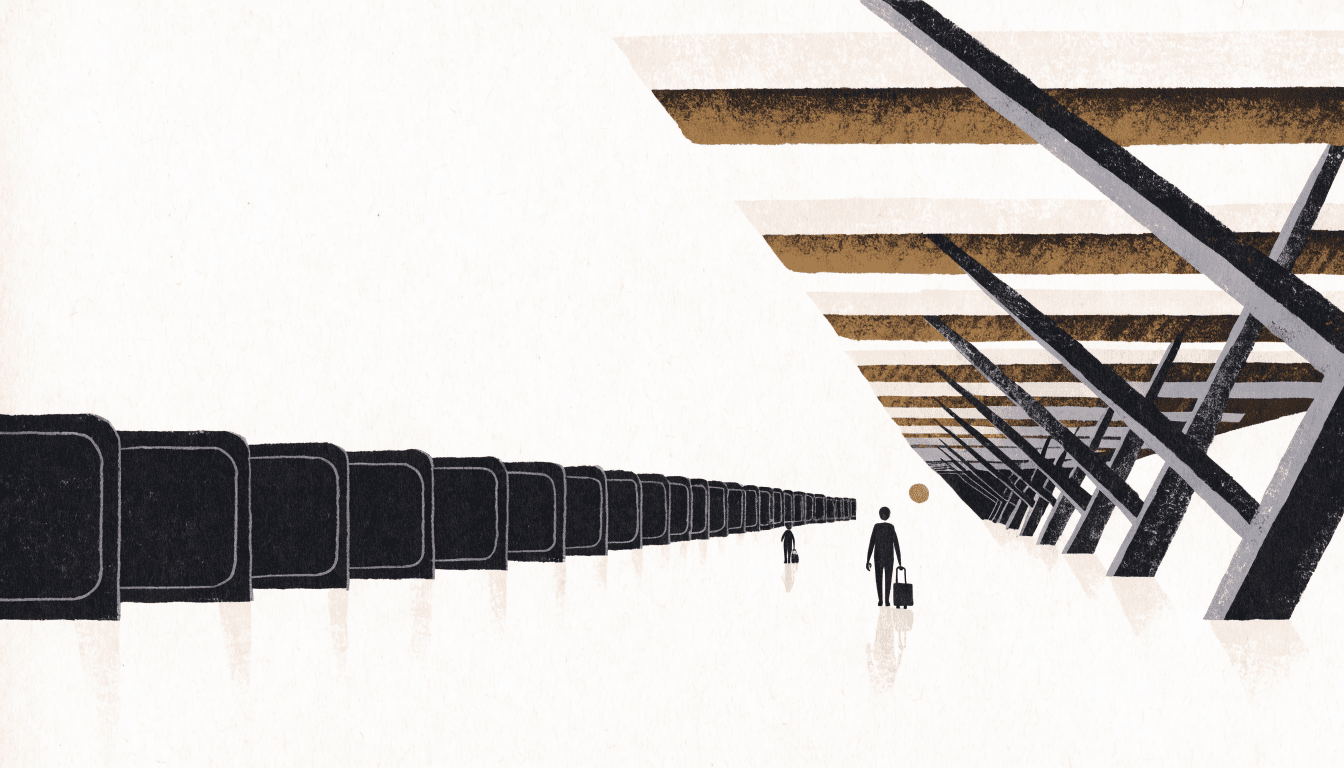
Haneda Airport's Terminal 1 gets its first major expansion since the terminal opened in September 1993, as the new North Satellite building starts operating on September 1, according to operator Japan Airport Terminal.
The three-storey addition adds roughly 21,000 square metres of total floor space on an 11,000 square-metre footprint, and brings six new boarding gates, numbered 24 through 29, online at Japan's busiest domestic hub. The building uses hybrid steel-and-wood construction, with about 1,800 cubic metres of Japanese timber — equivalent to some 10,000 trees, the company said — and has earned "ZEB Oriented" certification for cutting primary energy consumption by more than 30%.
The one named retail or dining space in the announcement is FOREST LOUNGE, a 22-seat card lounge with an attached café that opens the same day at Gate 26, built around a digital recreation of an old-style airport flip-sign board. General visitors pay ¥1,320 to enter; cardholders get in free. The terminal also adds ten round-trip automated walkways, a free four-seat self-driving shuttle called "iino," and an autonomous wheelchair service, "WHILL," the company said.
The building itself is the news for now: Japan Airport Terminal's release is about steel, timber and gates, not tenants, so the wider retail and dining line-up for the new floors has yet to be announced. But 21,000 square metres is a meaningful amount of new space at a terminal that has not grown in three decades, and a paid card lounge with its own café is itself a signal of where the operator sees revenue in the meantime — not just faster boarding, but a premium, pay-to-enter experience alongside it.