NOT A HOTEL builds a sleepable, 3-metre Poké Ball in Hokkaido for Pokémon's 30th anniversary
NOT A HOTEL has built an actual, sleepable 3-metre Poké Ball on a lakeside site in Tomakomai, Hokkaido, marking Pokémon's 30th anniversary and Pokémon Sleep's third — access is by contest, not booking, but the build shows how far Japan's character-licensing machine now reaches into real estate.
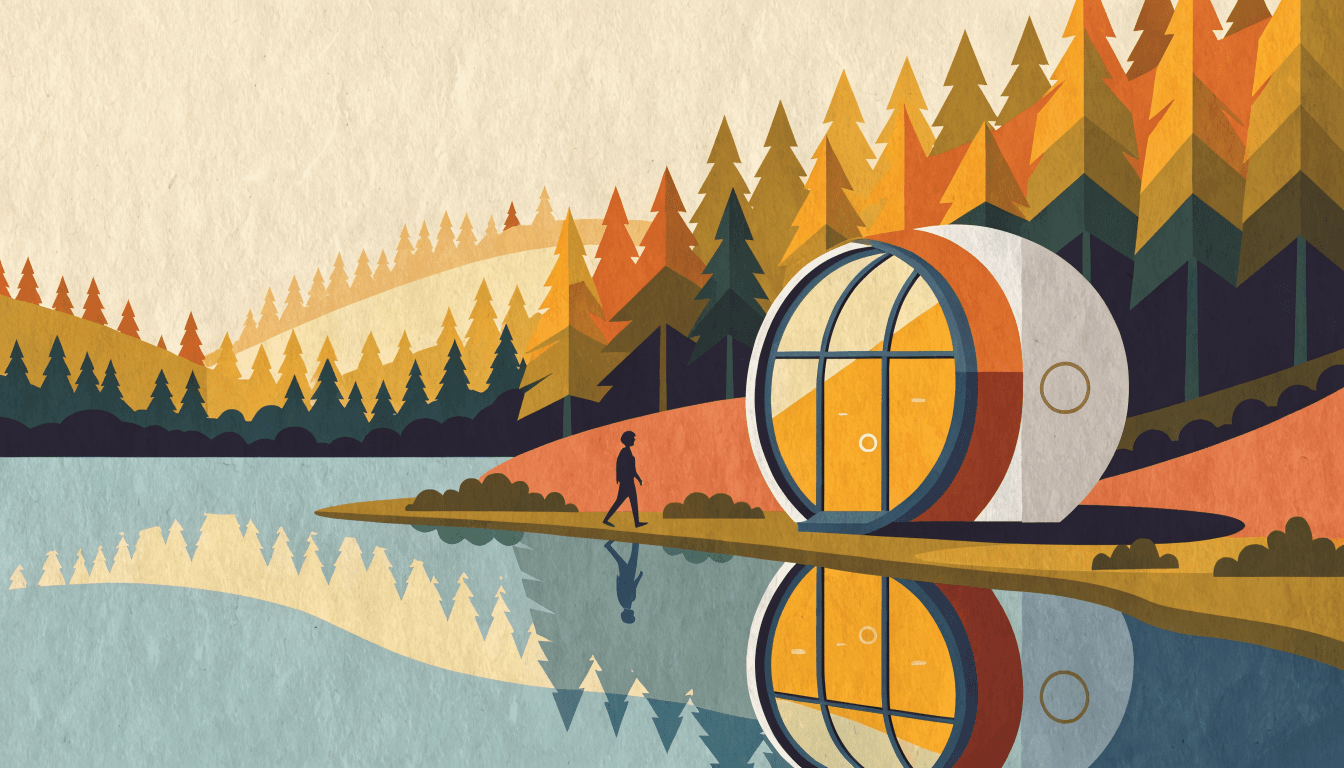
NOT A HOTEL, Inc. has built a real, habitable structure shaped like a Poké Ball — a 3-metre-diameter acrylic sphere with a circular sliding door, standing on a lakeside site in Tomakomai, Hokkaido — to mark Pokémon's 30th anniversary and the third anniversary of The Pokémon Company's Pokémon Sleep app, the company said in a statement.
Inside, the structure holds a single bed fitted with a custom mattress from sleep brand Nell containing 2,350 individually wrapped coils, along with air conditioning, lighting and a large curved acrylic window framing the lake and surrounding forest, according to the release. A smart-home system lets a guest select a favourite Pokémon to set the room's lighting for the night — pairing the Pokémon Sleep app's premise of tracking a player's real sleep with an actual room built around the same idea.
Access is not for sale: NOT A HOTEL is running the stay as a contest tied to Pokémon Sleep, open to entrants via the social platform X from 10:00 on 15 September to 23:59 on 30 September. Ten groups of up to two people each will be selected to receive a free overnight stay, including meals and drinks, with only personal travel costs falling to the winners, the company said.
NOT A HOTEL, a Tokyo-based developer known for building high-design villas and stays sold through membership and fractional-ownership schemes across Japan, is one of a small number of domestic firms treating hospitality as a real-estate design product rather than a room-night business. Building a habitable Poké Ball, rather than simply licensing the shape for merchandise, extends that approach into character licensing — the same instinct that has filled Pokémon Center stores and Pokémon Cafe branches with queues, applied instead to a single, one-off structure.
Because the room exists as a single unit and reaches the public only through a contest, this is closer to a marketing stunt than a repeatable hospitality product — but it is a concrete data point for anyone watching how far Japan's character-licensing economy can stretch into built space, and whether a one-off like this becomes a template NOT A HOTEL or a rival developer repeats with other IP.