Isetan Shinjuku gives its kimono floor to a disability-employment sashiko and boro brand
Isetan Shinjuku is handing its seventh-floor kimono section over to TERAS, a sashiko and boro textile brand made at a Tochigi welfare-employment facility, for a nine-day exhibition — department-store floor space used for social-impact craft rather than a luxury exclusive.
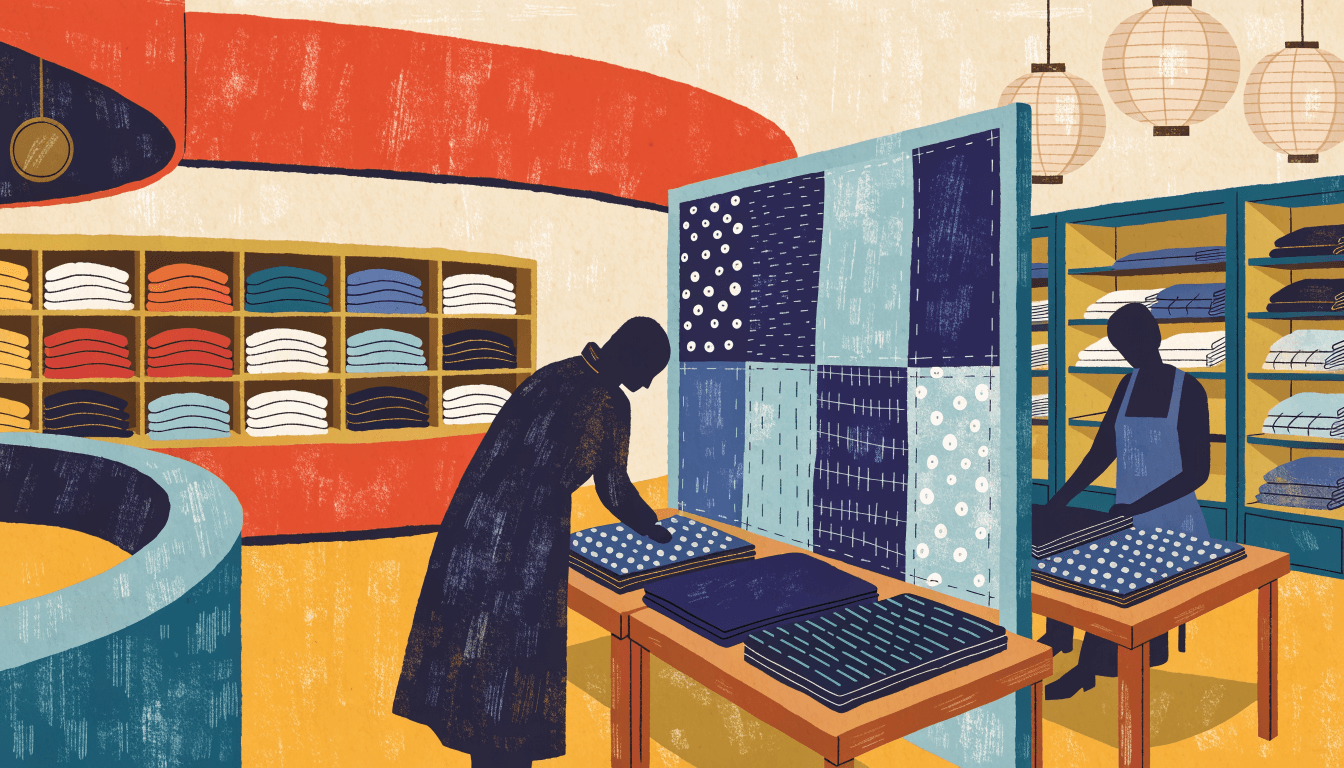
Isetan Shinjuku will give over its seventh-floor kimono promotion space to TERAS, a sashiko (hand-stitched needlework) and boro (patchwork textile) brand, for a nine-day exhibition running from 7 to 15 September, according to operator TOMOS company.
TERAS is made at a welfare-employment support facility TOMOS runs in Utsunomiya, Tochigi Prefecture, founded in 2015, where people with disabilities work on the brand's hand-stitched pieces, the company said. Prices at the exhibition range from ¥9,900 for a sashiko cushion cover and ¥14,300 for a boro cushion cover to ¥132,000 for a custom-made boro jacket, TOMOS said; the store is open 10am to 8pm, closing at 6pm on the final day.
The exhibition also includes a two-day workshop on 11 and 12 September, open to visitors aged eight and up, where participants can make a small tote bag or sachet from sashiko offcuts, according to the release.
The pairing is notable less for the craft than for the floor it sits on: a kimono section is where a department store places its most curated, tradition-facing merchandise, and lending that space to a welfare-facility brand whose range runs up to a five-figure jacket treats disability-employment textile work as worth the same curatorial weight as an established kimono maker, rather than a cause parked elsewhere in the building.